Laptop Won’t Turn On: Causes and Step-by-Step Fixes
When your laptop doesn’t power on at all, it can be frustrating—especially when you need it urgently. In many cases, the issue is hardware-related and can be diagnosed with simple checks. Below are the most common causes and how to fix them.
Common Hardware Causes
Dead or Faulty Battery
A completely dead or faulty battery is a common reason a laptop won’t turn on. If the battery cannot hold a charge, the laptop may fail to power up unless connected directly to a charger.
Faulty Power Adapter or Charger
A damaged or malfunctioning power adapter may fail to supply power to the laptop. If there is no charging light or response when plugged in, the charger may be faulty.
Loose or Damaged Power Jack (DC Port)
The power jack connects the charger to the motherboard. If it is loose, broken, or worn out, power will not reach the internal components.
Internal Hardware Failure (Motherboard, CPU, or RAM)
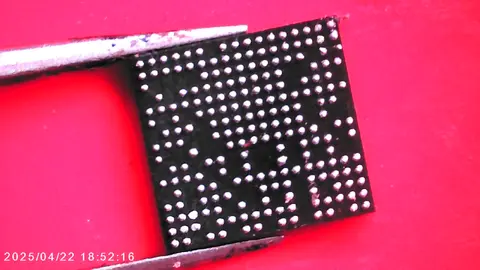
Malfunctions in critical components such as the motherboard, CPU, or RAM can prevent the laptop from powering on. Some laptops may produce beep codes indicating a specific hardware failure.
Static Electricity Build-Up (Power Drain Issue)
Residual static electricity inside the laptop can block it from turning on. This is a common issue and is often resolved by performing a power reset.
Overheating Shutdown (Thermal Protection)
If the laptop overheats, it may shut down automatically to protect internal parts. Blocked vents, dust buildup, faulty cooling fans, or dried thermal paste are common causes.
How to Diagnose and Fix Hardware Issues
1. Check the Power Supply (Charger and Battery)
- Confirm the power adapter is firmly connected.
- Inspect the cable for cuts, bends, or burn marks.
- Try a different wall outlet.
- If the battery is removable, remove it and power on using only the charger.
If the laptop powers on without the battery, the battery is likely faulty.
2. Inspect the Power Jack
- Look inside the power port for debris or visible damage.
- Check if the port feels loose when inserting the charger.
- Gently wiggle the charger to see if charging lights flicker.
Inconsistent power connection usually indicates a damaged power jack.
3. Perform a Power Reset (Static Drain)
- Unplug the charger.
- Remove the battery (if removable).
- Press and hold the power button for 15–30 seconds.
- Reconnect the charger without the battery.
- Try turning the laptop on.
If the laptop powers on, static buildup was likely the cause.
4. Check Internal Components (RAM, Motherboard, CPU)
- Listen for beep codes during startup.
- If comfortable opening the laptop, reseat the RAM modules.
- Clean dust from internal components carefully.
5. Check for Overheating Issues
- Allow the laptop to cool down for 20–30 minutes.
- Clean air vents and cooling fans using compressed air.
- Ensure ventilation openings are not blocked.
Next Steps
If your laptop still refuses to turn on after these steps, the issue may involve the motherboard, power circuitry, or other advanced components. At this stage, professional inspection and repair are recommended.